


A bite from a pet such as a dog, cat, rabbit, hamster, or other animal can introduce bacteria into the skin and cause infection. Some bites may also require protection against tetanus or rabies.
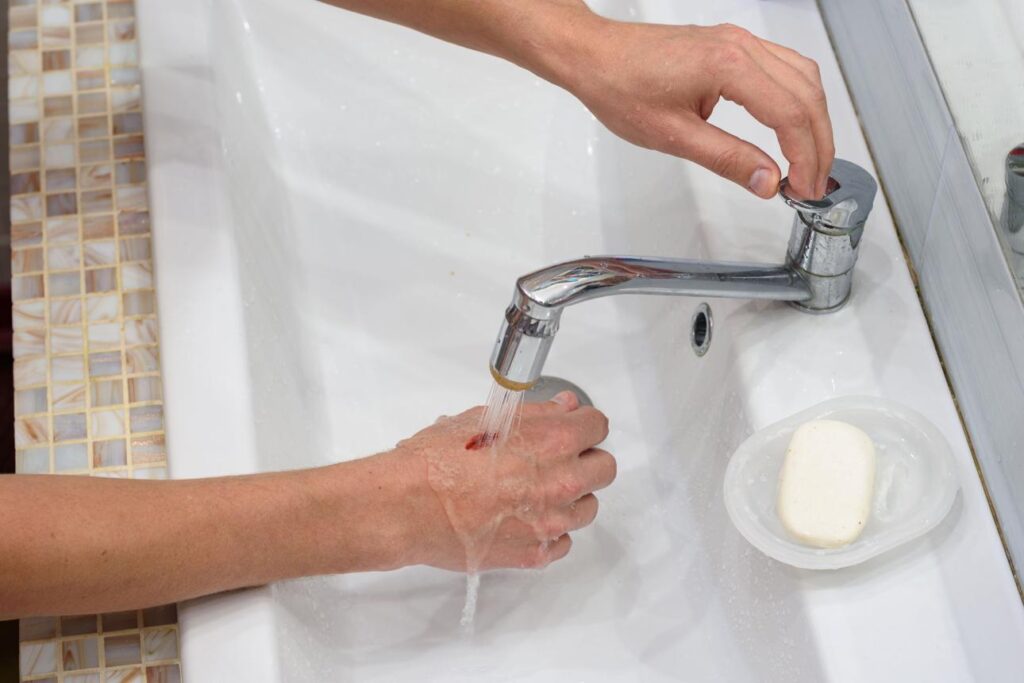
Step 1: Clean the Wound Immediately (Most Important)
The single most effective way to prevent a serious infection is to clean the wound right away. Do not wait to see a doctor before doing this.
- Wash with Soap and Water: Place the bite under running tap water and wash it thoroughly with soap for 10 to 15 minutes.
- Let Water Flow Through: If the skin is broken, allow the running water to flush out the inside of the wound to wash away saliva and bacteria.
- Be Gentle: Do not scrub the wound aggressively, as this can bruise or damage the surrounding tissue and make it harder to heal.
- Dry the Area: Gently pat the area dry with a clean, lint-free towel or sterile gauze.
Why is this crucial? Thoroughly washing the wound immediately mechanically removes a massive amount of the bacteria, dirt, and viral particles (like rabies) before they can bind to your tissues.
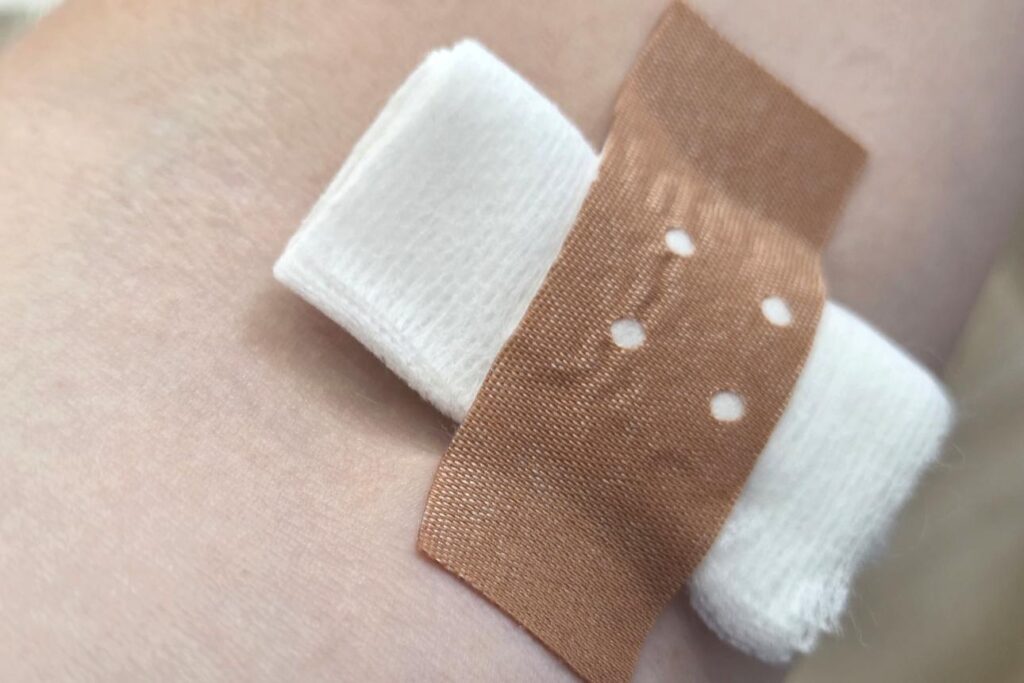
Step 2: Stop the Bleeding & Protect
Once the wound is clean, you need to manage any bleeding and keep the area sterile.
- Apply Pressure: If the bite is bleeding, apply gentle, continuous pressure using a clean cloth or sterile gauze pad for a few minutes.
- Elevate: If the bite is on your arm, hand, leg, or foot, prop it up on a pillow above heart level to help reduce swelling and slow down bleeding.
- Apply an Antiseptic: Once bleeding slows or stops, apply a thin layer of an over-the-counter antiseptic cream or solution, such as:
- Betadine (Povidone-Iodine)
- Savlon
- Chlorhexidine
- Cover the Wound: Cover it loosely with a sterile bandage or dressing. Change the bandage daily, or sooner if it gets wet or dirty.
Specific Animal Risks: Dogs vs. Cats
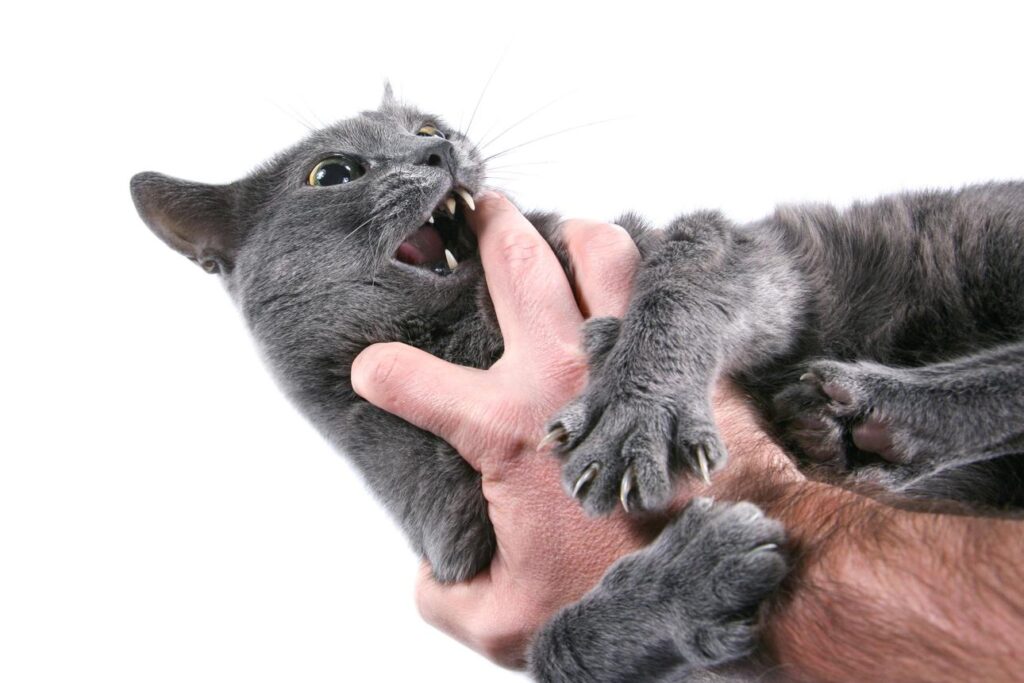
Different animals pose different medical risks due to the structure of their teeth and the bacteria in their mouths.
Cat Bites (High Risk)
Cat bites are notoriously dangerous and require professional medical evaluation almost 100% of the time if the skin is punctured.
- Why? Cats have long, slender, needle-like teeth. Instead of tearing the skin, they create narrow, deep puncture wounds.
- The Danger: This acts like a dirty syringe, injecting bacteria deep into muscles, tendons, or joints. Because the surface skin usually closes up quickly, the bacteria gets trapped inside an oxygen-poor environment where it thrives, frequently causing severe infections like Pasteurella multocida.
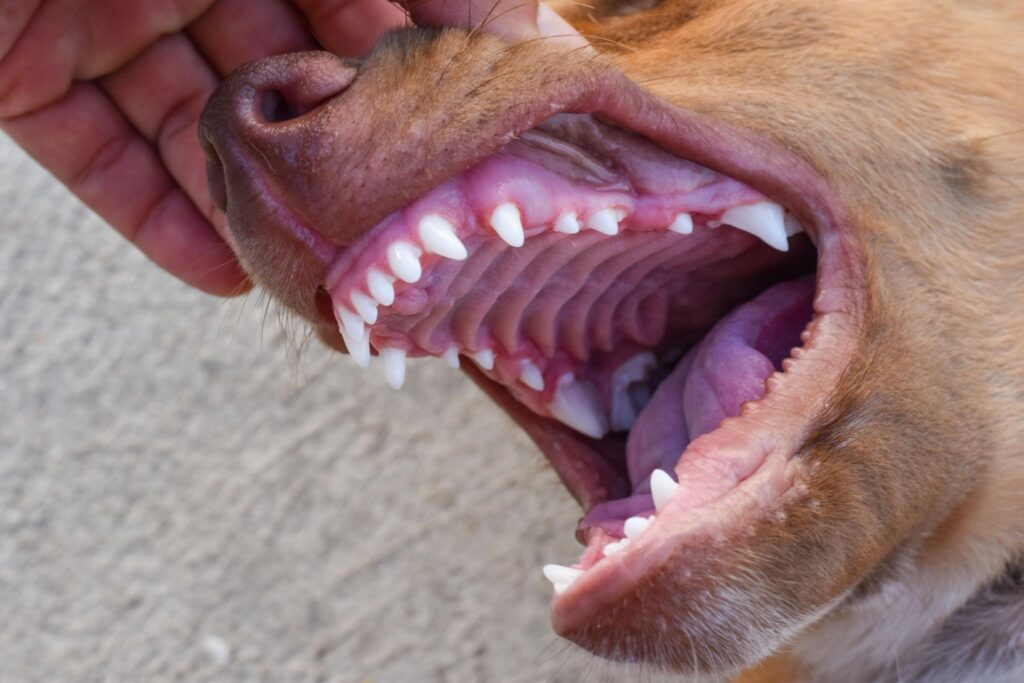
Dog Bites (Moderate to High Risk)
Dog bites generally cause more structural damage than cat bites.
- Why? Dogs have powerful jaws and blunter teeth that tend to crush, tear, and lacerate tissue.
- The Danger: While these wounds are more open and easier to flush out than cat punctures, the crushing force can cause deep tissue bruising, nerve damage, or broken bones.
Small Pets (Rabbits, Hamsters, Guinea Pigs)
- Bites from these small indoor pets are usually minor and carry a much lower risk of serious complications, but they can still cause localized bacterial infections. They should still be washed thoroughly and monitored closely.
Critical Medical Factors: Tetanus & Rabies
1. Tetanus Booster Shot
Tetanus is a serious bacterial infection that enters the body through breaks in the skin. You will likely need a tetanus shot if:
Your last tetanus shot was more than 10 years ago (even for minor, clean wounds).
The bite wound is deep, torn, or contaminated with dirt.
Your last tetanus shot was more than 5 years ago (for dirty/deep wounds).
2. Rabies Risk Evaluation
Rabies is a fatal viral infection transmitted through the saliva of infected mammals (dogs, cats, monkeys, bats, etc.). A doctor must assess the risk if:
- The pet is a stray or wild animal.
- The pet’s vaccination history is completely unknown.
- The animal was acting strangely, aggressively, or appeared sick.
- Note: If it is a healthy household pet, the doctor may advise observing the animal for 10 days rather than starting shots immediately, depending on local guidelines.
Signs of Infection to Watch For
Monitor the bite location closely over the next 24 to 72 hours. Seek immediate medical attention if you notice any of these warning signs:
- Spreading Redness: The red area around the bite expands.
- Increased Swelling & Pain: The wound throbs or becomes significantly more painful as time passes.
- Heat: The skin surrounding the bite feels hot to the touch.
- Pus or Oozing: Foul-smelling fluid or pus begins leaking from the wound.
- Red Streaks: Red lines originating from the bite and traveling up your arm or leg (this is a sign of a spreading lymph system infection and is an emergency).
- Systemic Symptoms: Developing a fever, chills, or swollen lymph nodes.
When to Go Straight to the Emergency Room
Go to an urgent care clinic or emergency department immediately if:
- Heavy bleeding does not stop even after 10–15 minutes of direct, firm pressure.
- The bite is on the face, neck, hands, feet, or near a major joint.
- You cannot bend or move your fingers, toes, or the affected limb (suggesting a torn tendon or nerve damage).
- The wound is gaping open, exposing bone, muscle, or deep tissue.
- The person bitten has a weakened immune system (e.g., due to diabetes, chemotherapy, or liver disease), making them highly vulnerable to rapid infection.